| Home | Business | Consumer problems | Ghostwriting | Shop | Bookshop | Contact Tony Holkham | Search site
Become a writer
Magazine or book publisher or editor?
Views from the hills
A country diary from North Pembrokeshire
Words and pictures © Tony Holkham 2013-16
The first three volumes of 'Views from the hills', with additional text and photographs, are now available from Amazon. Please see my home page.
VOLUMES 1 and 2 are available in PAPERBACK, too, with other volumes being available in print soon
Volume 4 (2014-2015) will be out soon.
To BUY or BORROW any of my books click here.
(Note: If you don't have a colour e-reader you can download a FREE app for your Mac, PC, pad, pod, tablet or phone here).
WATERWORLD
Monday, 31 October 2016
Autumn is well under way, the clocks have gone back, the sunsets and the tourists have gone and the evenings are dark again.
But I have a plan.
A pond, even a very small one, transforms a garden. As soon as water goes in, followed by a handful or two of soil, as if by magic there is a whole new ecosystem: microscopic life like paramecia and strange green whirling creatures that can be easily seen with a low-powered microscope that can be had for just a few pounds (mine is pen-sized and magnifies 30 times); then there will soon be the larvae of insects such as dragonflies, and pond skaters and water beetles (I have found the latter in a water-filled old wheelbarrow), followed by amphibians such as frogs, toads and newts; perhaps the odd grass snake and slowworm will come to drink and a heron will surely drop in to see whether there are any fish; finally, mammals will come to drink, and our own hairy resident mammal will love the taste of the water. Next year there may be tadpoles, but I will not complicate matters with fish.
At first the pond was just a hole in the ground. I have to dig it a little deeper so that it does not freeze to the bottom in winter, then line it, and finally put some big stones at one end for animals that fall in, and some irises for colour at the other. It will be like creating a new world, and one that advances surprisingly quickly. This is all very ambitious, and very exciting. While there is still plenty to do in the garden, much of it is beyond me, physically, so a little gentle digging will be just what I need to get (or at least feel) fitter.
The pond will be started with the contents of our two large water butts, which are probably already teeming with life, and allowed to finish filling naturally with rainwater. Whatever it is they put in tap water these days does not taste very nice, and I would not like to inflict it on the pond life.
I love water and everything in and around it; the smell of seaweed and fish, the light that scatters from its surface, the sound of its movement. While I am not a good sailor, I love to be on it, too, feeling its power and its moods. One of my favourite films has the same title as this View.
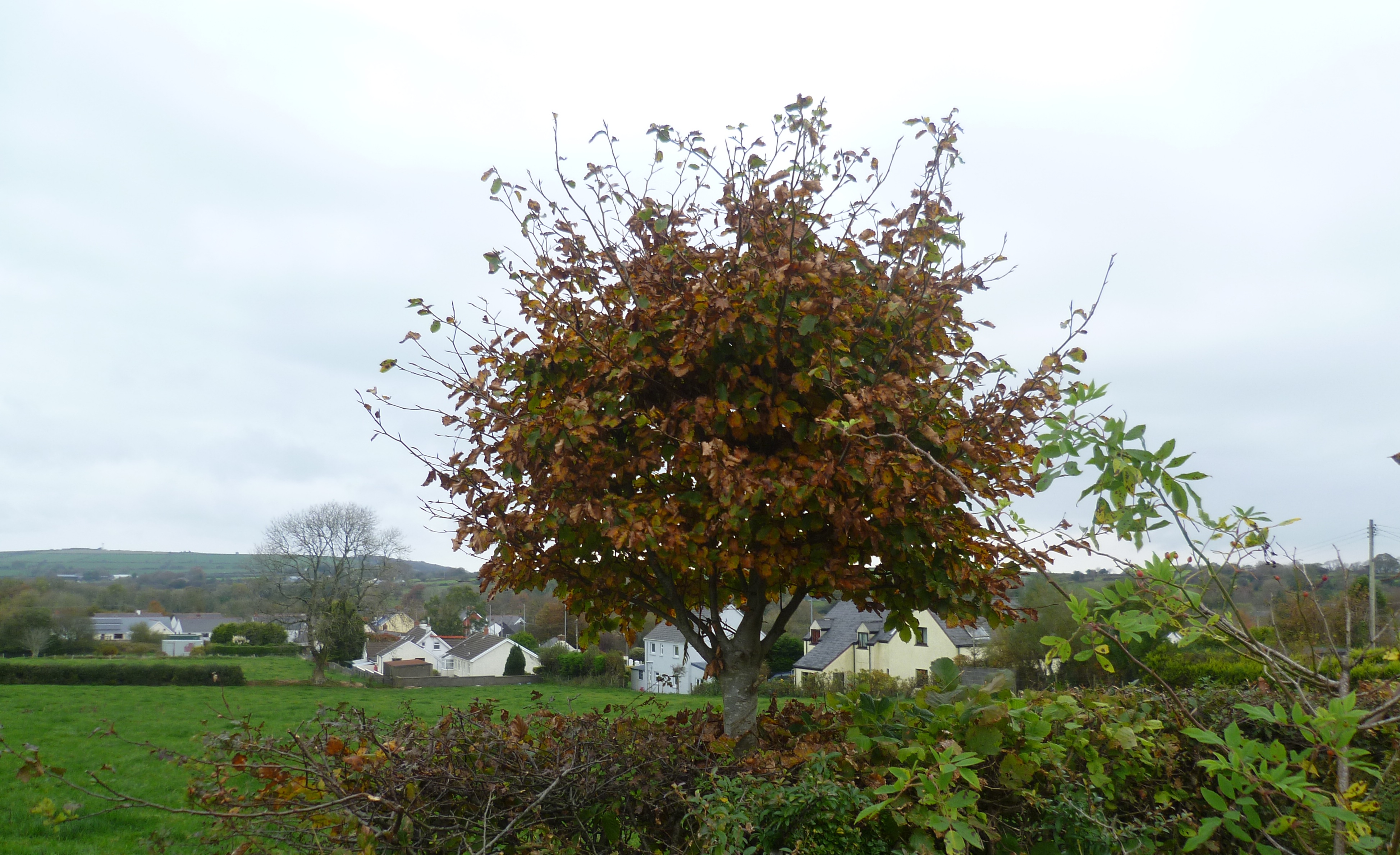 I love water almost as much as I love trees. I am allowing a beech tree to grow out of the hedge; one day it will be a giant, like the ash tree at the bottom of the field.
Having an hour to spend between appointments in Newport this afternoon we sat and looked at the sea. An hour goes very quickly like that. Sparky does not agree, though; he is much more interested in car parks, and was very restless.
There has been other digging, too, into the origins of my name. Having collected thousands of references going back to the Norman conquest, I have decided there are sufficient to begin analysing them, first into counties, then into villages. It is a painstaking procedure, but also very interesting. And with over 100 different spellings of the name (the most common being Holcombe) it is quite a task to try to put families together when one child could be baptised Holcumbe and the next Hocam. Perhaps I am a little too pedantic when it comes to sources, but at least there is very little guesswork; assumption has no place in family history. My first attempt at converting a list of facts into a narrative was emailed to the Sussex Family Historian the other day.
There might not seem to be much in common between these two sorts of digging, but there is one thing they share: effort produces rewarding results if applied in the right way. A bit like many things in life, perhaps.
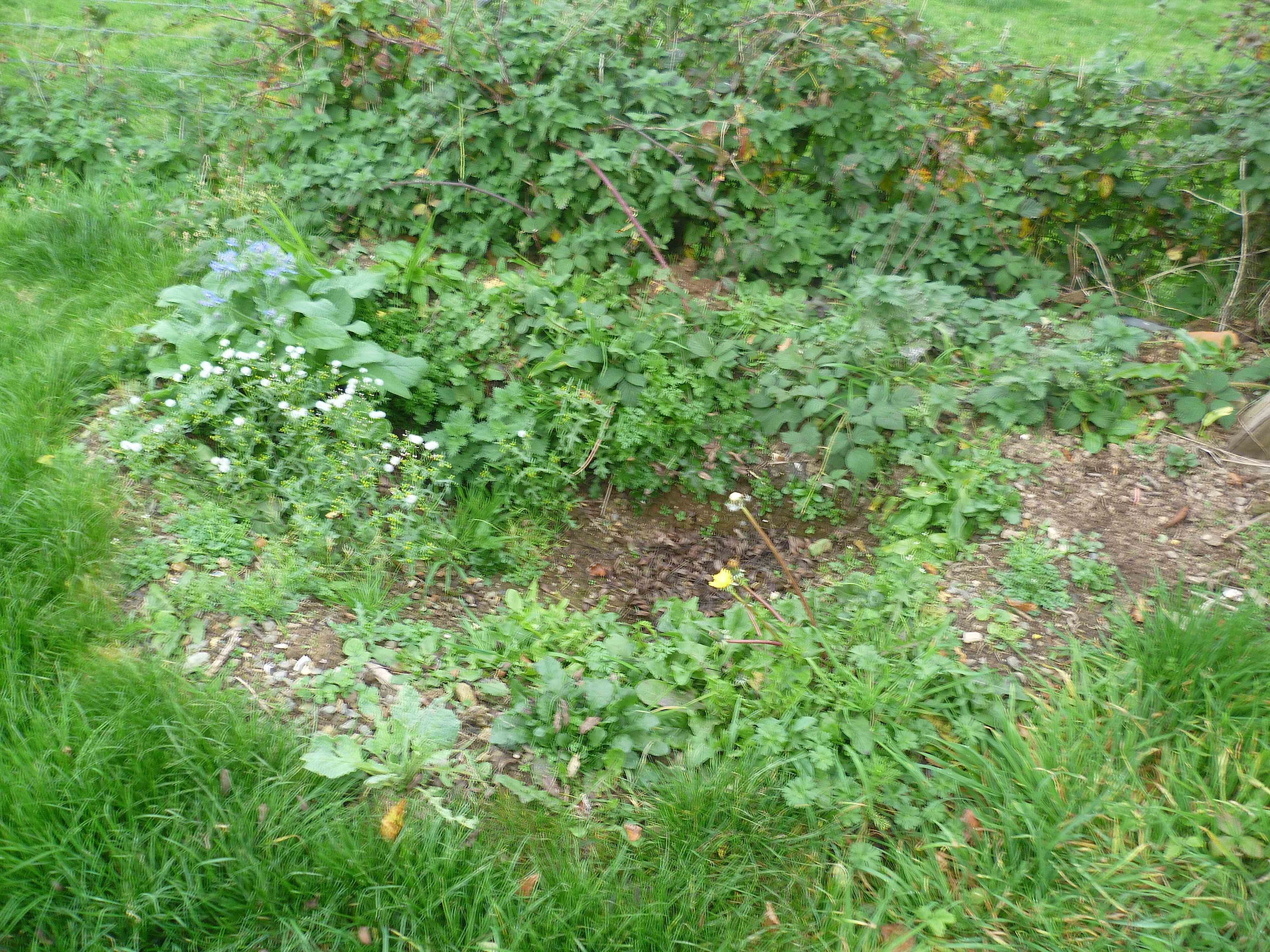 Having not worked on the pond for a few weeks it is gradually reverting to a natural state. Around its rim are borage, nettle, dandelion, foxglove, teasel and some other wild flowers I haven't identified; a fascinating example of how quickly nature takes over anything left untended. It will be a very small pond: hardly bigger than a bath. But even without water, birds have already shown an interest, this being the season when they stock up for the winter, probing for anything containing fat, including the moth pupae under the soil and foraging ants that have strayed too far out into the open. Even the kite dropped in, swooping low before being chased off by a determined crow; their subsequent aerial dogfight took place over several acres of grassland before the kite, executing the sharpest of downward spirals, finally evaded its pursuer and floated out of sight. While there is still plenty for wildlife to eat, competition is still fierce.
Grey skies are as frequent now as clear ones; the start of winter is just a few weeks away. Fallen leaves swirl and the temperature is dropping but the colours in the woodlands make this the most visually interesting of the seasons. It will not be long before a wood mouse tries to set up home in the loft and the starlings return in vast numbers. And time to set up the bird feeders again. How quickly autumn is passing; things seem to die, but we know they are only resting: waiting, as we all do, for the spring.
[Scroll down for earlier views or go back to the top of the page]
The first three volumes of 'Views from the Hills', each with additional text and photographs, are now available from Amazon. Please see my home page for details.
Volume 4 (2014 and 2015 combined) will be available as an e-book and paperback soon.
AUTUMN, ACTUALLY
Friday, 30 September 2016
Autumn can come quite early in North Pembrokeshire: sometimes about the middle of June. Situated with mountains on two sides and coast on the other two, as we are, it is unsurprising that the weather on this little western peninsula of Wales can be unpredictable. Admittedly we have had some lovely days in which to work on the garden, but on the whole it has been cool and damp, if not sopping wet at times. Even the snails, after they had shredded the hostas, seem to have left for warmer and dryer climes and we have not seen a hedgehog for many weeks.
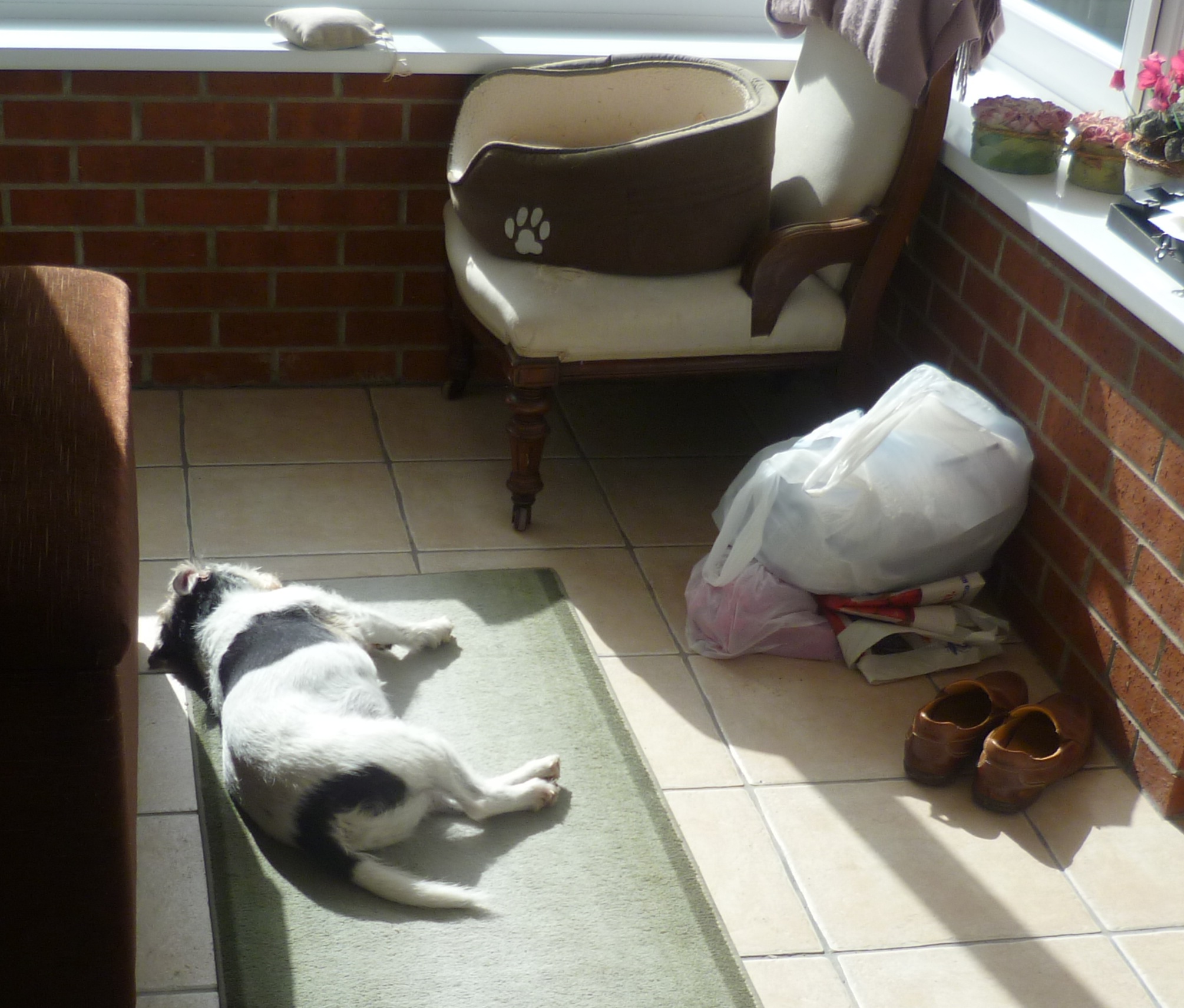 Today, for example, would have been a perfect washing day, bright and breezy, were it not for the occasional downpour that appears out of nowhere and disappears just as fast. Not that I'm complaining: far from it. On the whole the weather is tolerable, and the beautiful green countryside is a joy to look out on. Some of the sunsets have been spectacular, and sun and rain together can produce the most beautifully sharp rainbows. Sparky will usually find a patch of sun to stretch out in. Finding a window when the grass is dry enough to cut is fun, too.
Note to the Met Office: spend as much as you like on super-computers, but you will not predict the weather in North Pembrokeshire.
The changing season (and I use the word season loosely), brings changes in the pattern of wildlife. House martins disappear, while rooks seem ever-increasing, and it will not be long before the starlings flock around us with their intricate and musical language. The red kites are still soaring high, though, because the sun is still warm. I have been trying to dissuade butterflies from trying to get into the garage to hibernate where they are more likely to be eaten by the resident spiders.
While I strangely (and probably irrationally) dislike them, spiders must be one of the most intriguing of all the animals we share this planet (and often our house) with. They take their lives in their hands when they run across the floor amongst giant feet and past a sleeping Jack Russell terrier but they seem to have some sort of faith, or oblivion, that they will come to no harm. They have good eyesight (well, plenty of eyes, anyway) and lightning reactions, but apparently no rational awareness of the gigantic animals they live amongst. They do, though, at least have the sense not to run around during daylight hours, unlike their beautiful garden cousins who weave their exquisitely-engineered webs then wait patiently, often for days at a time, for their food to come to them.
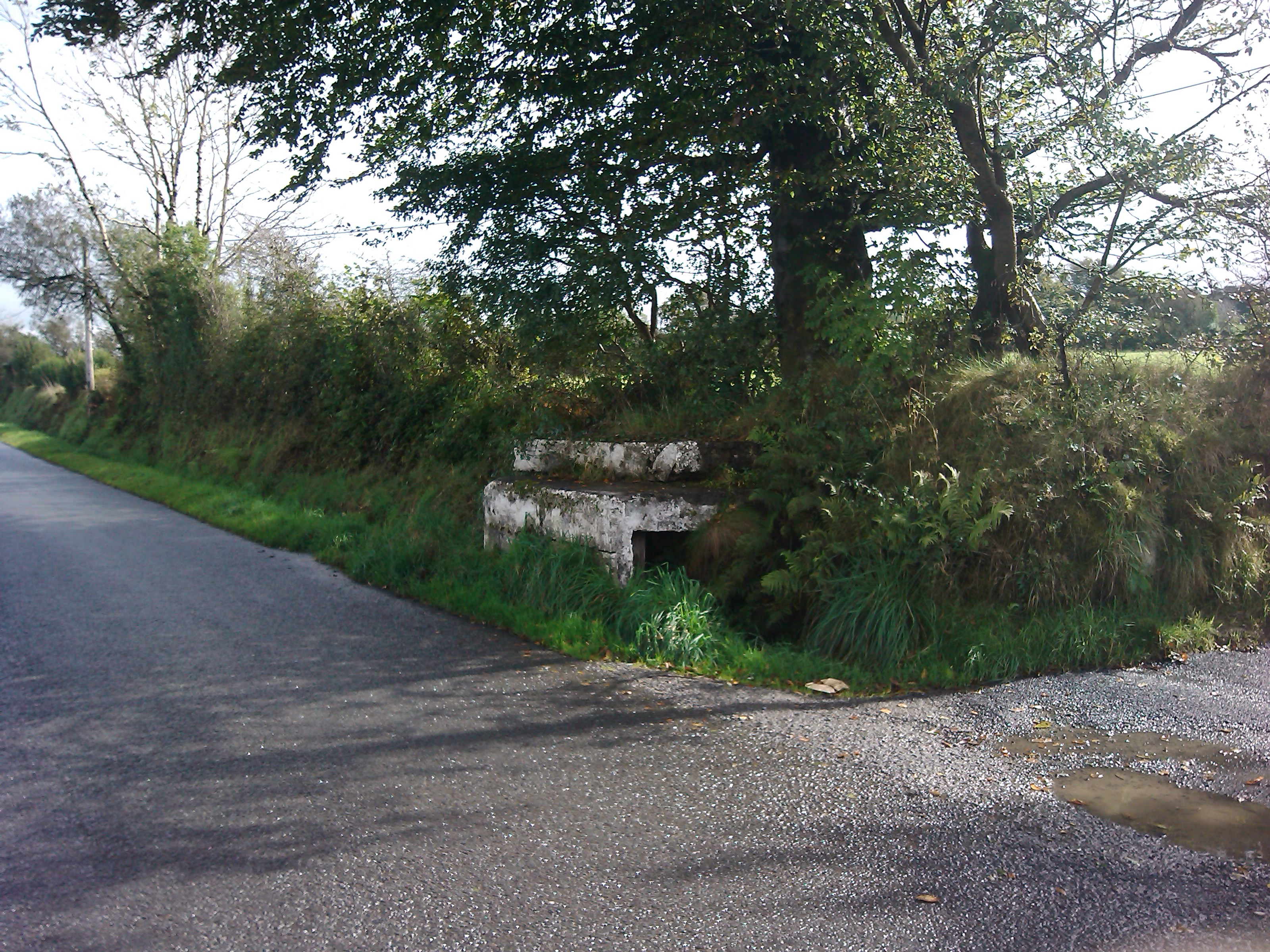
On a totally unrelated subject, I have been thinking and writing about something that most of us pass every day but rarely notice. Some had been around for the best part of 100 years before they all became obsolete overnight in 1979, 37 years ago, yet many are still there, with some even being celebrated. The milk churn stand. While on the face it this may seem trivial, but I thought it was interesting enough to write a Wikipedia article about, so yesterday I did just that. You can see it here (opens new window). Until I started looking I didn't realise just how many there still are by the roadside, with our nearest less than 100 yards up the road. The picture is of one near Crymych.
I have been thinking about another phenomenon, too: that of finding something you were not looking for when looking for something else. Does it have a name? I find the best way to find something you have lost is to look for something else instead. We once changed, for safety reasons, a door handle for a door knob. I put the handle down and it immediately disappeared off the face of the Earth. Foolishly, we tried to find it, but it has joined the long list of things we know we have, but cannot (or will not) be found. Until we are really serious about not looking for it any longer.
The same thing can happen healthwise, too. When I consulted the health service for one problem, the investigation threw up another which, while I could have had it for years without any ill effect, assumed a greater importance. In the original problem they seemed to lose interest. So I suppose I should encourage them in their efforts to pursue the second problem which, if they keep looking for the cause of it, may result in their accidentally finding the cause of the original one. That is how it works, you see? At least I think so.
With this in mind, as much in hope as in expectation, I was going to read How to live to 100 until I saw there were five volumes, so I thought perhaps I wouldn't bother. Life's too short.
[Scroll down for earlier views or go back to the top of the page]
The first three volumes of 'Views from the Hills', each with additional text and photographs, are now available from Amazon. Please see my home page for details.
Volume 4 (2014 and 2015 combined) will be available as an e-book and paperback soon.
UNDERGROUND VELVET
Wednesday, 24 August 2016
Echoing what I wrote last time (about sunsets, on that occasion), things in the countryside take me by surprise so often that the fact no longer surprises me.
The idea that life could spontaneously arise from inorganic matter is not so strange. In ancient times, when there were no microscopes and few scientists, many people believed it, having no evidence to the contrary. Something in our would-be orchard reminded me of this. The small area was laid to turf nearly three weeks ago, and early this week I noticed a small mound of fresh earth in it. Those ancients would have known this to be the work of that scourge of lawn-lovers, that gentleman in the fur coat, that mouldywarp, that shy and sensitive hero of The Wind in the Willows: Mole. It is easy to see how people in less enlightened times might have believed that moles sprang from the soil itself, spontaneously.
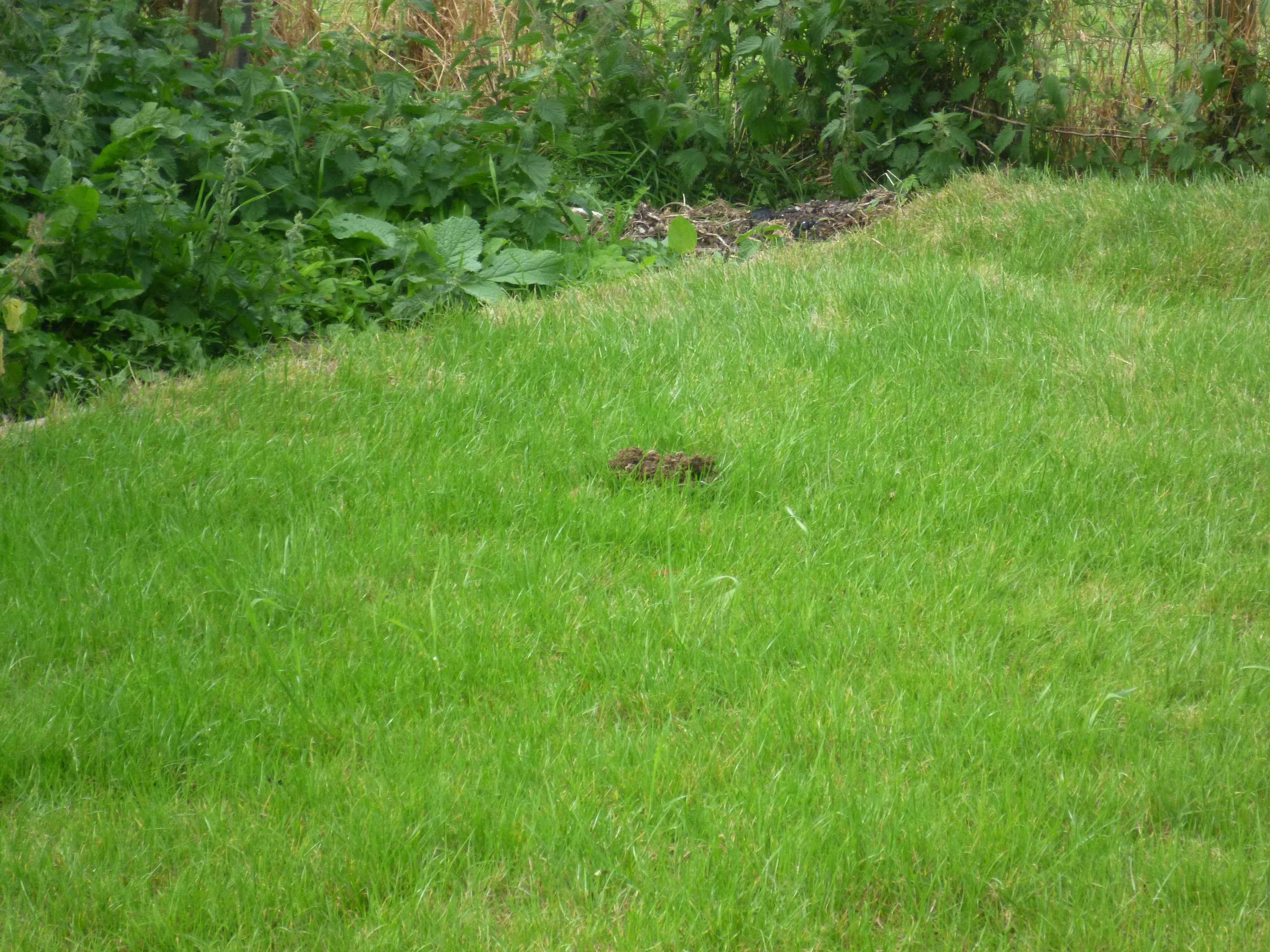
I was both pleased and displeased. Pleased because, so far as I am concerned, the more wildlife that honours my garden the better. Displeased, though, because these enigmatic little creatures can do a great deal of harm to a patch of grass, even if it was never intended to be a lawn.
Last Thursday I had an appointment in Haverfordwest and I pointed Rosie down the old turnpike (now the B4329) across the mountains. We love that road, with its intricate bends, steep hills, stunning views and sparse traffic. The peaks were shrouded in mist and the sheep were grazing the grass verges. On my way back I stopped at a DIY centre that a search of the internet had established had a large range of small, affordable lawnmowers. I have not owned such a thing for many years, but now we have grass, we must have a mower. It was simple enough to put together, even for a mechanical dummy, and I parked it at the entrance to the turfed area, switched it on and off to make sure it was working, and went indoors to put the kettle on. No sense in rushing things.
Then it started raining. Aside from a few short, bright spells, it rained for four days. And blew. The mower waited patiently in the garage.
Not that this made any difference to Mole; he will delight in it, for it will bring earthworms nearer the surface.
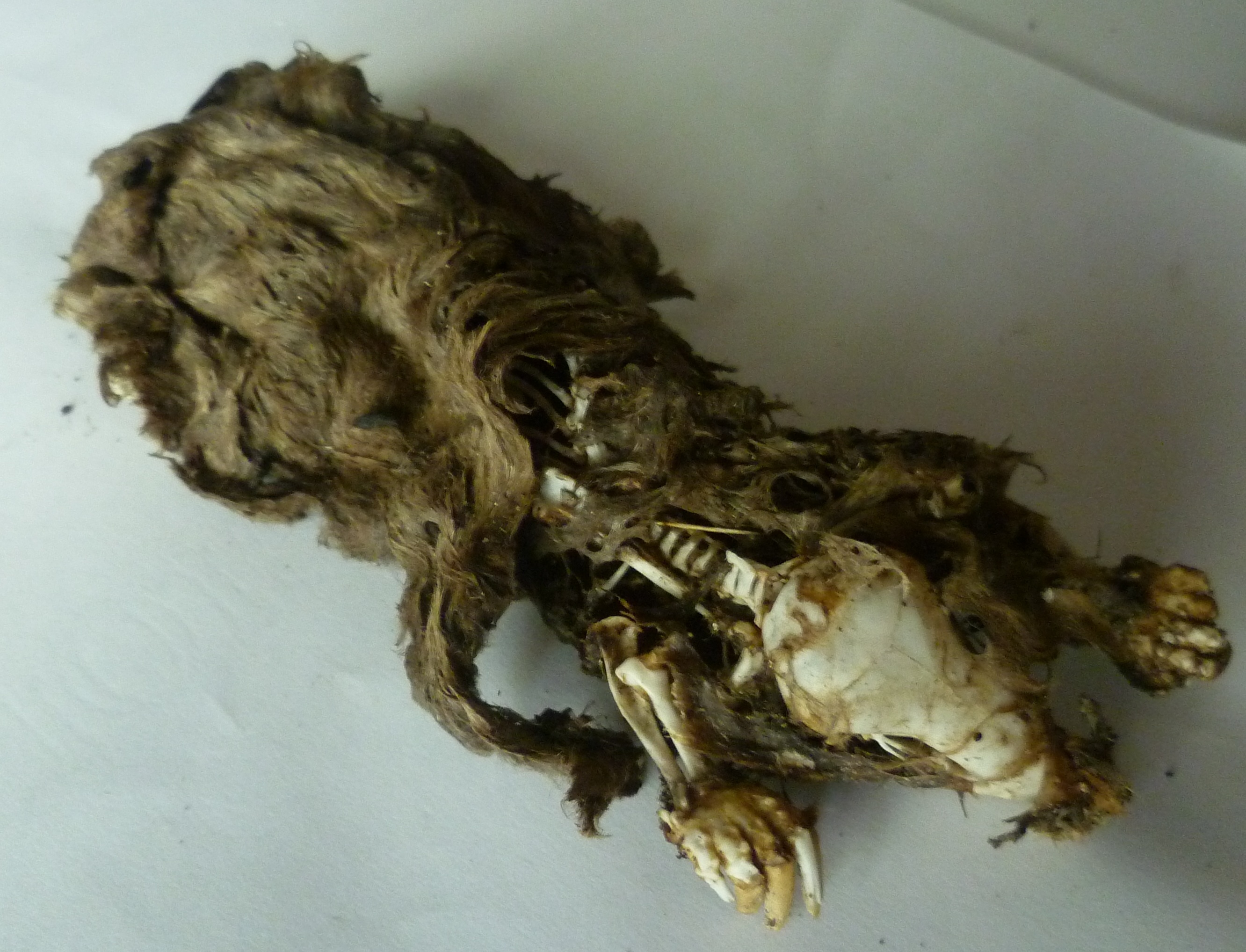
I have watched mole activity before, sitting quietly as they push soil up into their neat little mounds (sometimes neat big mounds), but have only seen one live one before, scurrying from one patch of grass verge to another. One died in our greenhouse a few years ago, and I found his mummified body some months later. Perhaps bizarrely, I still have it (look away now, those of a sensitive disposition). But that such a delicate thing can move all that earth is another of those little wildlife wonders.
 Mole has lent his name to a large number of things as well as those famous anthropomorphic characters; one of my favourites is the secret service mole that George Smiley names Gerald in John Le Carre's wonderfully intricate spy novel. But not Mole Grips; they were manufactured by M. K. Mole & Son of Newport, South Wales, developed in 1955 from an invention by William Petersen in De Witt, Nebraska, in 1924. And, contrary to expectations, I found that while moles' skins were once popular for clothing for a period, the material now called moleskin is made from cotton.
But I digress; before I was eventually able to mow the grass, now growing vigorously, I tamped down with the end of a sledgehammer the areas that had been tunnelled, which included all round the edges. So far, so good. No more mounds of earth for two days. I do not hold out much hope, however, that I gave Mole more than a mild headache. Even a curious Jack Russell may not deter the little fellow.
For now, though, I will live and let live. Unless he decides to invite friends to the feast. Let's hope he's not on TwitBook.
[Scroll down for earlier views or go back to the top of the page]
The first three volumes of 'Views from the Hills', each with additional text and photographs, are now available from Amazon. Please see my home page for details.
Volume 4 (2014 and 2015 combined) will be available as an e-book and paperback soon.
THE GREATEST SHOW FROM EARTH
Saturday, 30 July 2016
There is nothing to compare with it. We think we understand it, and on some physical levels we do, but on others, metaphysical, we do not. No wonder it leaves us in awe, and to some is a cause for worship. Why does it exist at all? Why do we exist to see it? We cannot look at it; only at its splendid effects. This is why it is the greatest show from Earth. And, far from being the curtain call of the day, it is the curtain-raiser for the night.
This is the sunset of course, my perennial fascination. And while it is a daily occurrence it is surprising how it can so often surprise us: how often, for example, does the western sky clear at dusk so we can be treated to a golden glow on every western-facing surface, be it tree, wall or cloud? It has happened very often this summer.
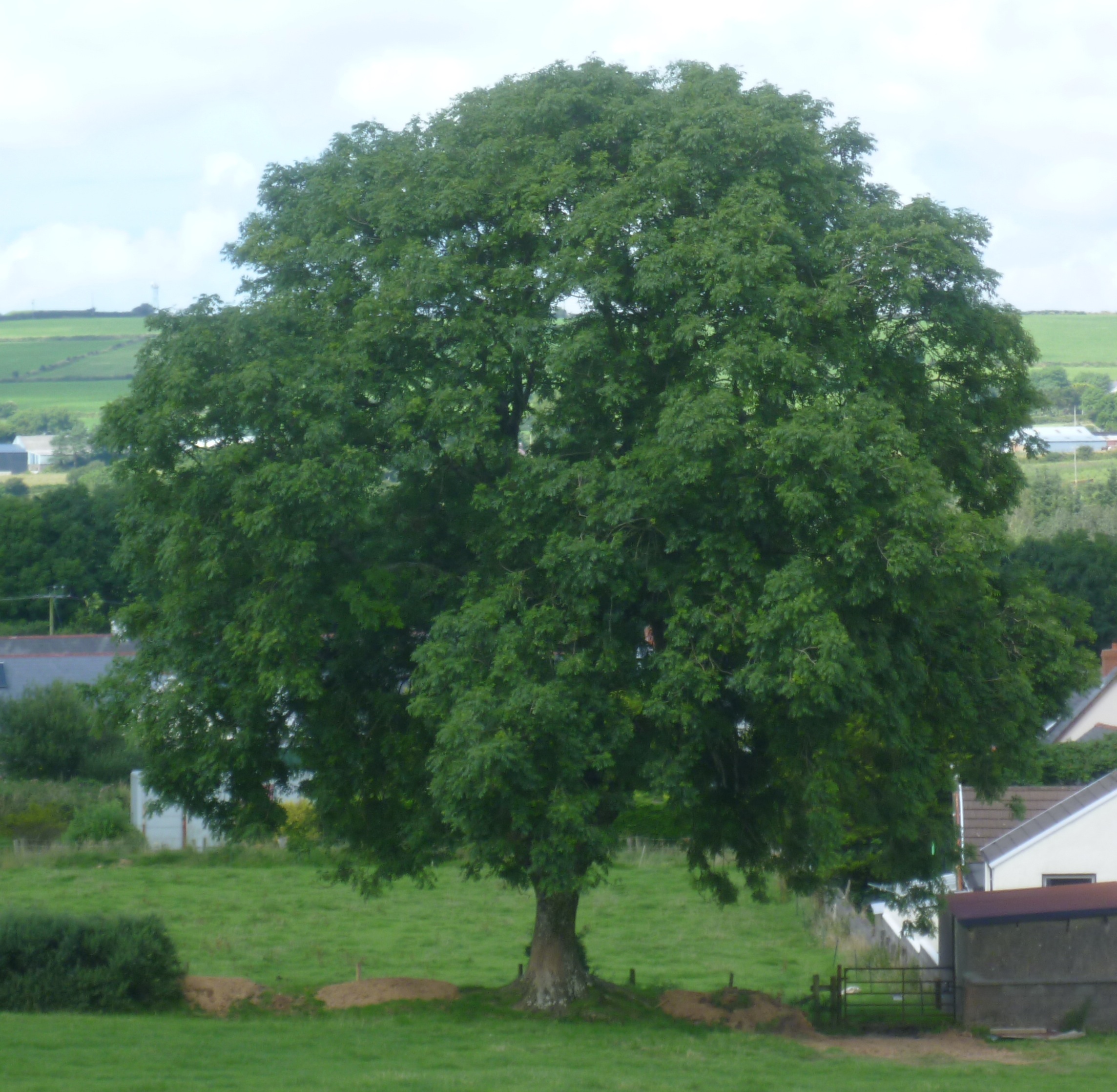 The curtain-raiser brings some regular events: rooks convening in the great ash tree before flying off to their roost, creating a deafening ten-minute clatter; the last twitters of the martins and sparrows before turning in, though even after dark you can hear them talking quietly to one another. Then there are the rarer events: a large hedgehog, wise to the predatory Jack Russell terrier, rolls up into a ball, bringing spots of blood to the muzzle of the mutt who does not learn; and a sudden drop in the wind that casts a sound-proofing blanket over the fields. The total silence is almost tangible, like total darkness. When the two coincide they inexplicably clamour for your attention.
Sometimes birds skipping up the conservatory's plastic roof catch my ear and bring a smile as they go for a last drink in the gutter to see them through the night.
Life at the moment is just a jumble of random thoughts. Most of my waking hours for a considerable number of months have been focused on a distracting ailment that has rather dampened both my enthusiasm and my ability to write at any length. Today, though has been one of those peaceful days that give you a chance to take stock.
So by way of a change I will pick out a few thoughts from my diary since April.
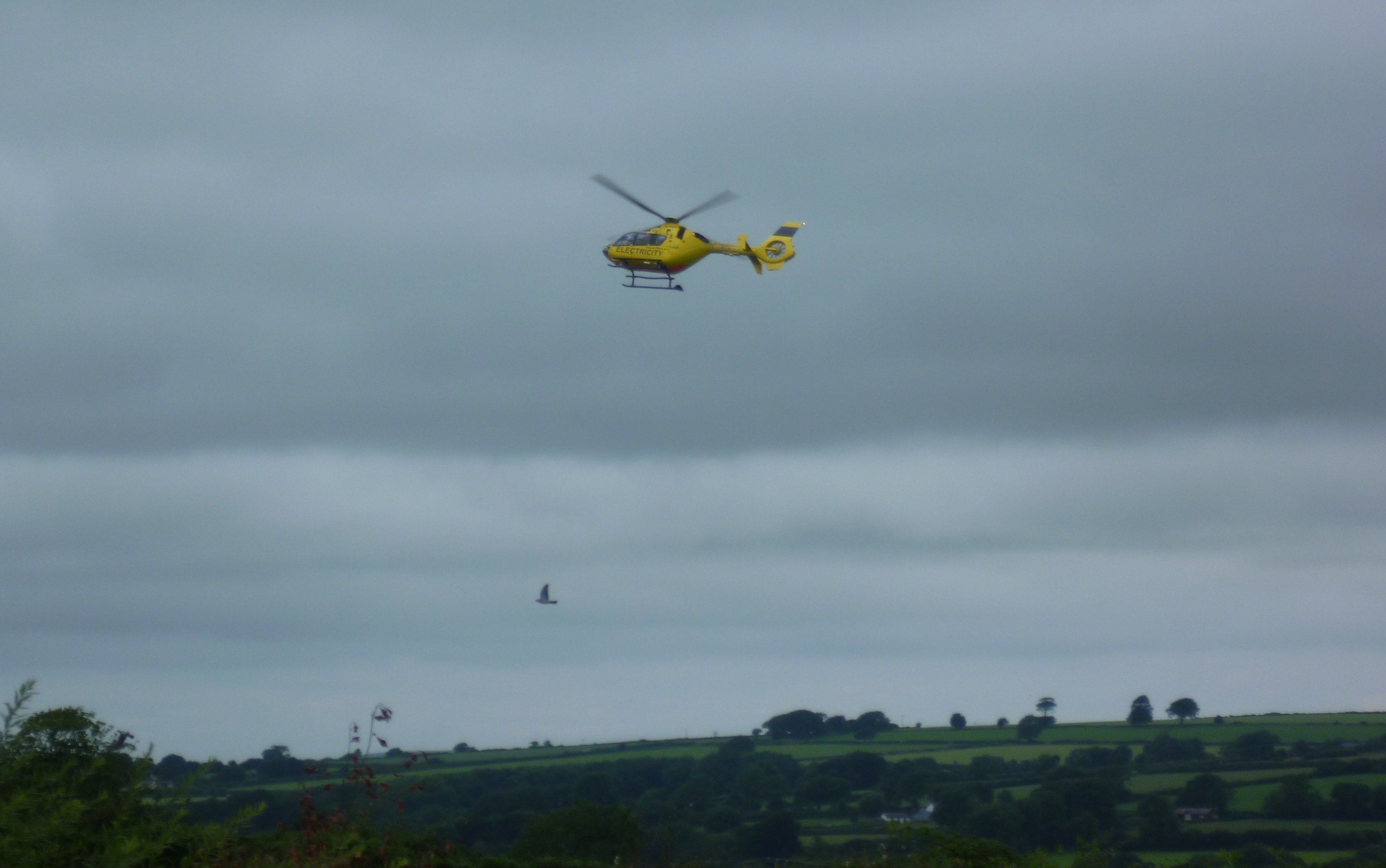 A bright yellow helicopter, scattering crows and shattering the peace, surveys the power lines strung like abandoned cobwebs across Cwm Treweryll. Later, a Tornado jet flies along the valley, not much higher, and fairly sedately (for a Tornado). This is unusual; flying machines are a rare sight around here. Some, like the Typhoon, make you jump when they arrive with the crash of a thunderbolt and are gone in the blink of an eye, with glowing tail and eerie echo. Others are occasional small, private aircraft whose aviators are probably wondering how they came to be lost above this sea of green.
On Wednesday last week, with a few rumbles of thunder in the night, the heat wave was over: all two days of it. We really are having strange weather; we had to hunt for the fans in the loft and I could be seen without a shirt (or vest) for a brief few hours: probably not a pleasant sight. A gardening session raised a rare sweat: probably not a pleasant aroma. But on the whole it has been a good summer, with not too much rain or wind.
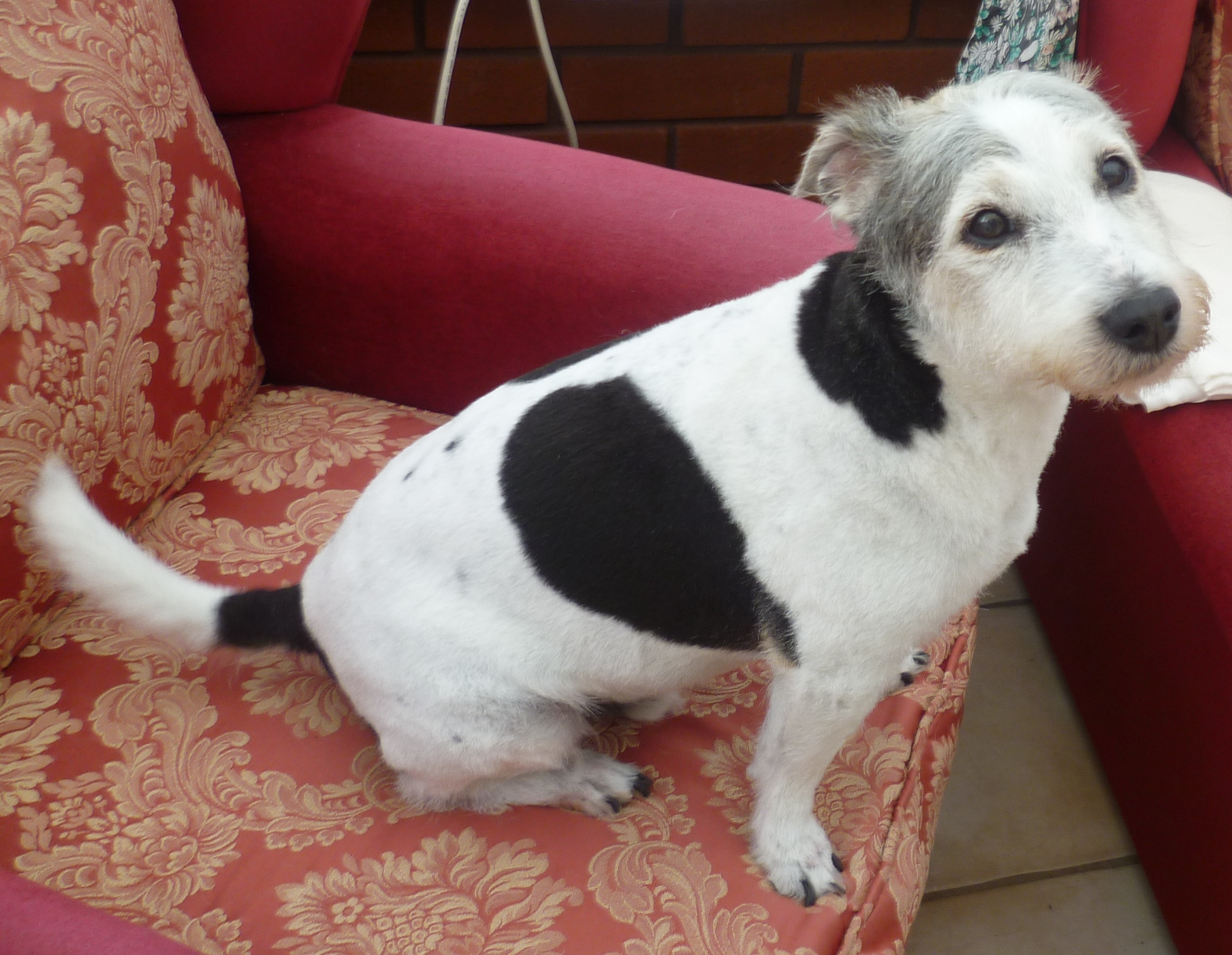 Sparky has been severely shorn. It was my fault. "Take off as much as you can," I said, so Debbie the groomer obliged. His head still looks like a middle-aged dog's, but his body is like a puppy's, complete with some previously-hidden rolls of fat; at least we know he really should be fed a little less or exercised a little more, which is probably true for many of us. But he doesn't seem to mind - he loves his food, his bed and his garden, and if long, rambling walks are a thing of the past, he does not complain of it. His only complaint is that we spend far too many hours out of bed, and he far too few in it. Or in them, I should say, since he has somehow accumulated nearly enough beds for one in every room.
The blackbird that sang so heartily sings no more. I found his feathers strewn across the garden one morning and was saddened by the sight. The usual suspect shows no mercy. His intention is clear: to rid this world of every last songbird.
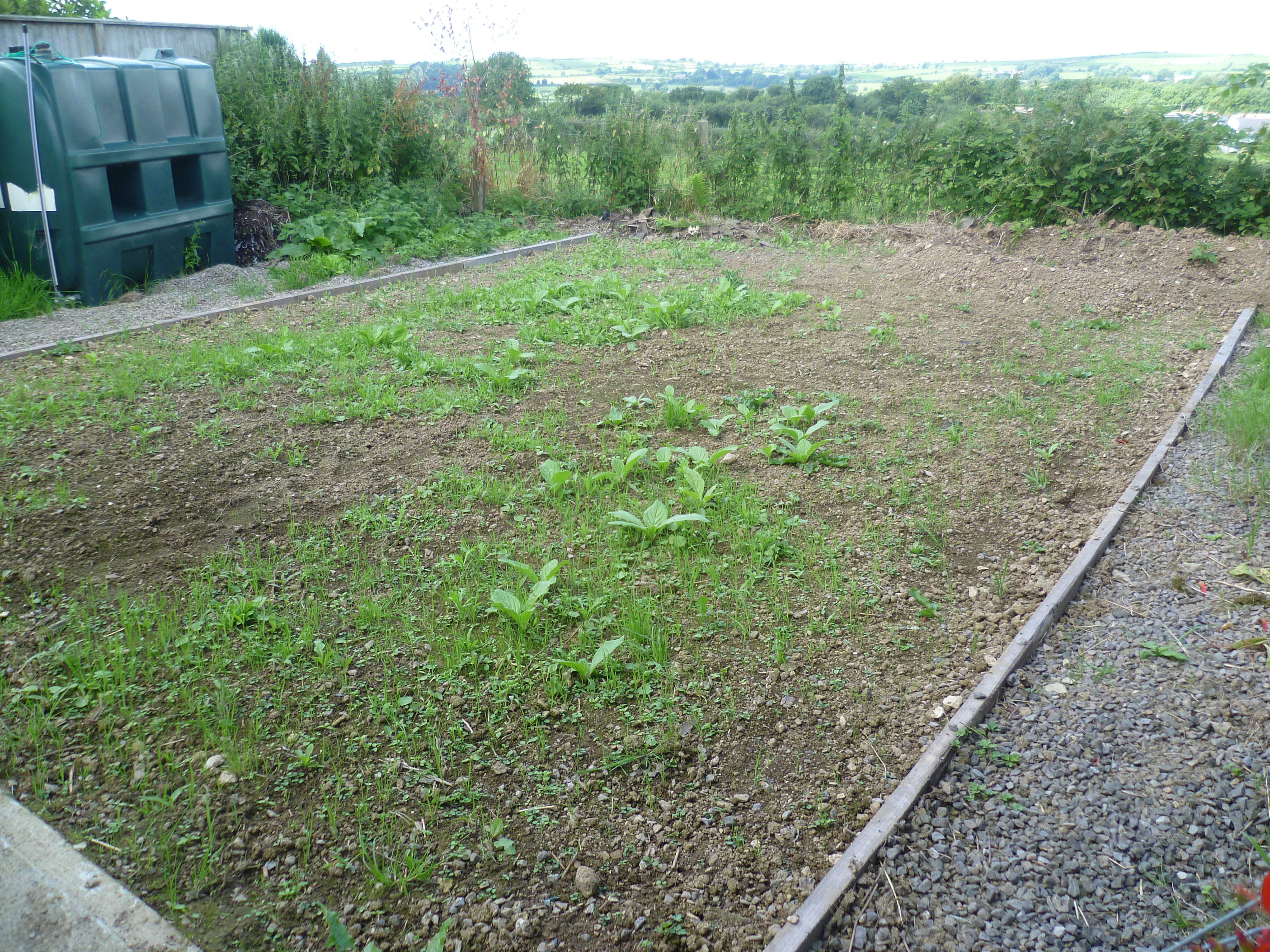 On a brighter note, the part of the garden that I am somewhat pretentiously calling the orchard (so far I have one apple tree and one peach tree, still in their pots) is advancing slowly. The ground is cleared and levelled, there is an embryonic pond in one corner and the end is forming into a bank to plant hedgelings (I think I made up that word, but it has a pleasant feel about it). Turf has been ordered, though the ground seems to think it can turn itself into a lawn without any human help, thank you; however, a lawn of teasel, foxglove, sedge and nettle is not what I had in mind. That's what caused the trouble in the first place. I would like to see daisy and crocus for a change growing under the trees - when they are trees, that is. Perhaps the comforting buzz of a grasshopper or two. Talking of pretentiousness, I read recently that "one should not speak of a patio when one means a terrace". I can hear my Grandma's comment on that across the nearly thirty years since she has been gone.
There will still be a patch of nettles in the corner for the butterflies (though there have been very few this year), and there are plenty of flowering plants for the other insects in other parts of the garden. With raspberries against the fence and brambles in the hedge, perhaps it really will be an orchard one day. Some plants will have to be moved, of course, so we can actually see it, but that will have to wait until a little later in the year. I have moved plants in the summer before, notably recently a silver birch sapling, but the shock, I think, has killed it. I should have known better.
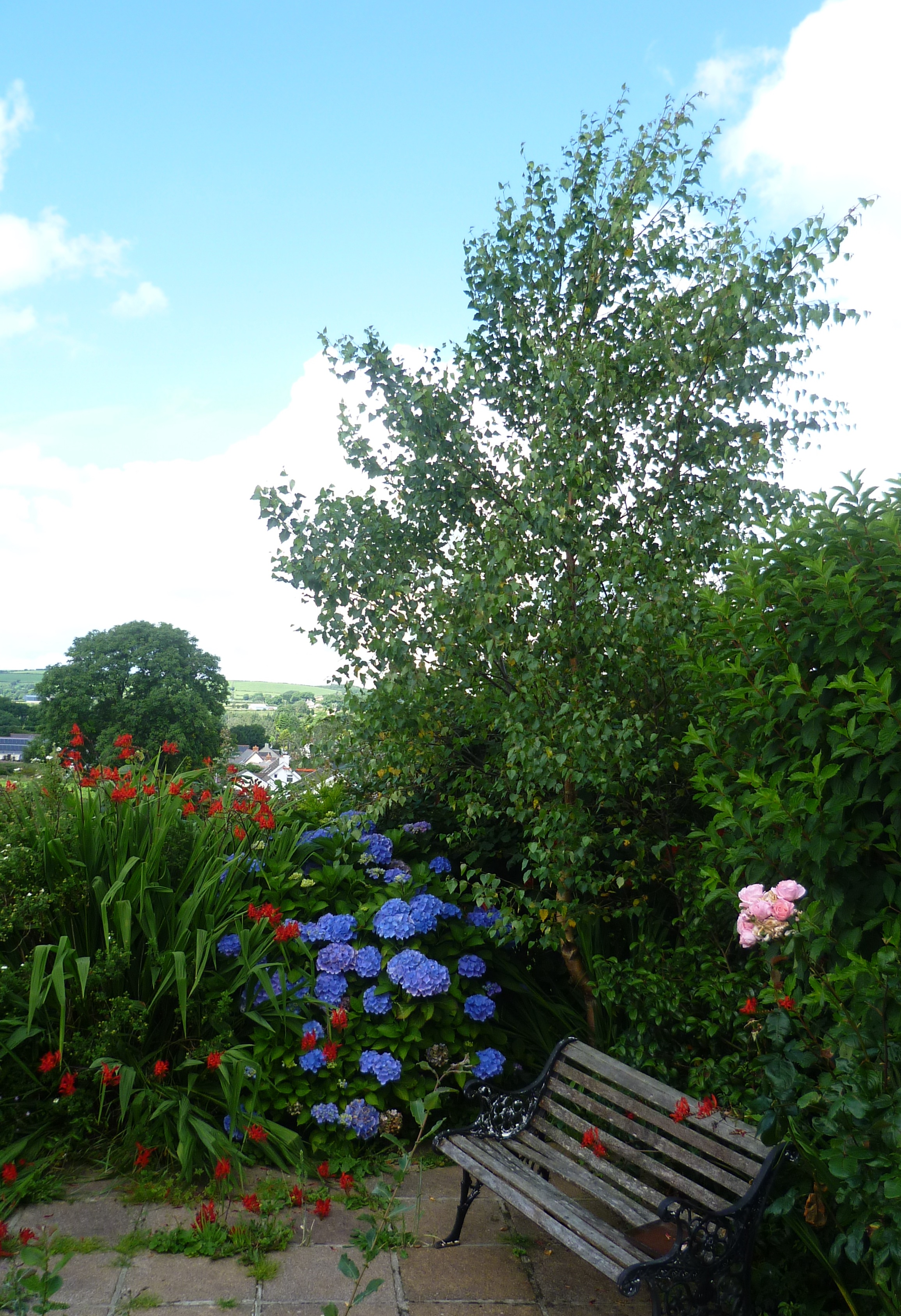 The other silver birches are doing well, though: beautiful so see and magical to listen to when the breeze whispers through the leaves, leaving me wondering what they are saying in their own private language. The picture reminds me that the weeds are taking over the "terrace" again. This will be a good reason to use the special hoe given to me by a dear old friend whom I would drive to Norfolk once or twice a year, or just down to look at the sea. She loved her garden, but was eventually sentenced to live out her last years in a comfortable-enough care home that we liked to refer to as a cupboard. Her husband had been a decorated army officer, a pioneer of persuading councils to refrain from cutting verges until the wild flowers had set seed, and was at one time Director of the Ordnance Survey. No one can love the countryside without also loving maps.
And while I have been writing this, the black cloud has been gathering overhead again and the memory of the sunset is a faint orange haze along the top of the hill. More rain will come. It always does. But would the countryside be so beautiful without it?
In these hills there is beauty everywhere. People travel great distances to see it. Strangers marvel at the unspoilt and often dramatic countryside and seem surprised when you look them in the eye and venture a smile. I sometimes wonder whether understanding what the stranger finds beautiful may be the key to ending conflict, but perhaps that is just my sunset-tinted spectacles.
[Scroll down for earlier views or go back to the top of the page]
The first three volumes of 'Views from the Hills', each with additional text and photographs, are now available from Amazon. Please see my home page for details.
Volume 4 (2014 and 2015 combined) will be available as an e-book and paperback soon.
SPARROWS
Wednesday, 4 May 2016
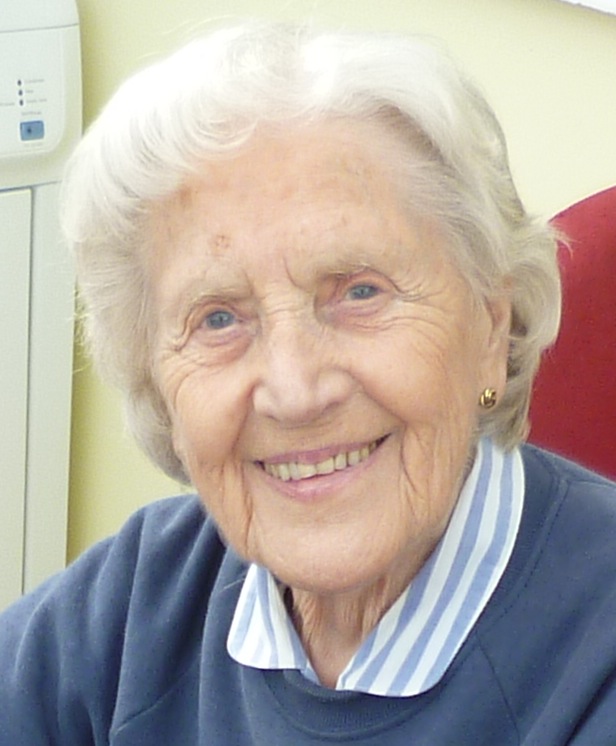
Jean Bingham
1922 - 2016
Spring. She creeps up on you; just as you think she will never arrive, you realise she has been here for a few weeks now. The moles are making their mounds along the banks; the gorse flowers in full bloom; the house martins are swooping low over the new grass to replenish their reserves after the miraculous journey from Africa. The other day I found two live small tortoiseshell butterflies in the garage. I put them outside where they opened their wings and basked in the April sunshine. I couldn't leave them in the garage to find their own way out, because they would probably have ended up in a spider's web.
The sparrows are particularly busy. A male was out collecting nesting material this morning, comically stuffing his beak with anything he could find, his constant wife nearby watching (he hopes) with approval. Their nest will be in the hawthorn somewhere, hopefully impenetrable to magpies. She will lay four or five eggs, perhaps more, and she will incubate them, with her mate relieving her for spells, for less than two weeks before they hatch to produce helpless, featherless and fearsomely hungry little chicks. They will eat seeds and sawfly and grit, and the garden will be better for them. They will bathe energetically in water or dust. The pair will do all this again this again in a few weeks, weather and sparrowhawks permitting, and again for a few more years.
New life is everywhere.
And, in the natural way the world works, just as life begins for some, for others it ends. The sense of loss is sharp for a while; it is followed, and eventually softened, by a flood of good memories.
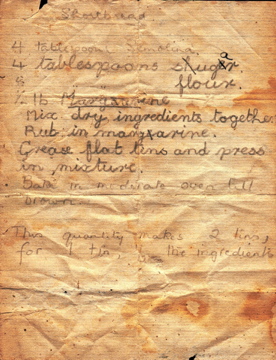 With someone close, there is always an abiding memory. Mine is shortbread. Jean taught me to make it when I was still in short trousers, and I have been eating it ever since, mostly made by her, and occasionally by me, though I will never get it quite right. I still have the recipe that I wrote down at the time.
Jean was one of those people you do not meet very often. She had been in nursing and teaching; she was charitable without reckoning, inoffensively forthright and committed to her beliefs without ever preaching. She was an island of optimism in a world of uncertainty. But I knew her as something more than that: a second maternal influence in my life and always someone you could talk to, about anything, at any time. She was as comfortable to be with when she was animated as when she was pensive.
Because we did not always live nearby there were periods when I did not see much of her; this was so in her last years when her short-term memory was failing her, but my memories of her remain as fresh as if I had only spoken to her yesterday. We had many things in common, the poetry of Thomas Hardy, soup, humour and a love of the natural world: flowers, animals and birds had a special a meaning for her and we would sometimes just sit and look out into the garden without feeling the need to say anything at all. That is true friendship.
When we were not nearby she watched different sparrows but that pleasure was one of the links between us.
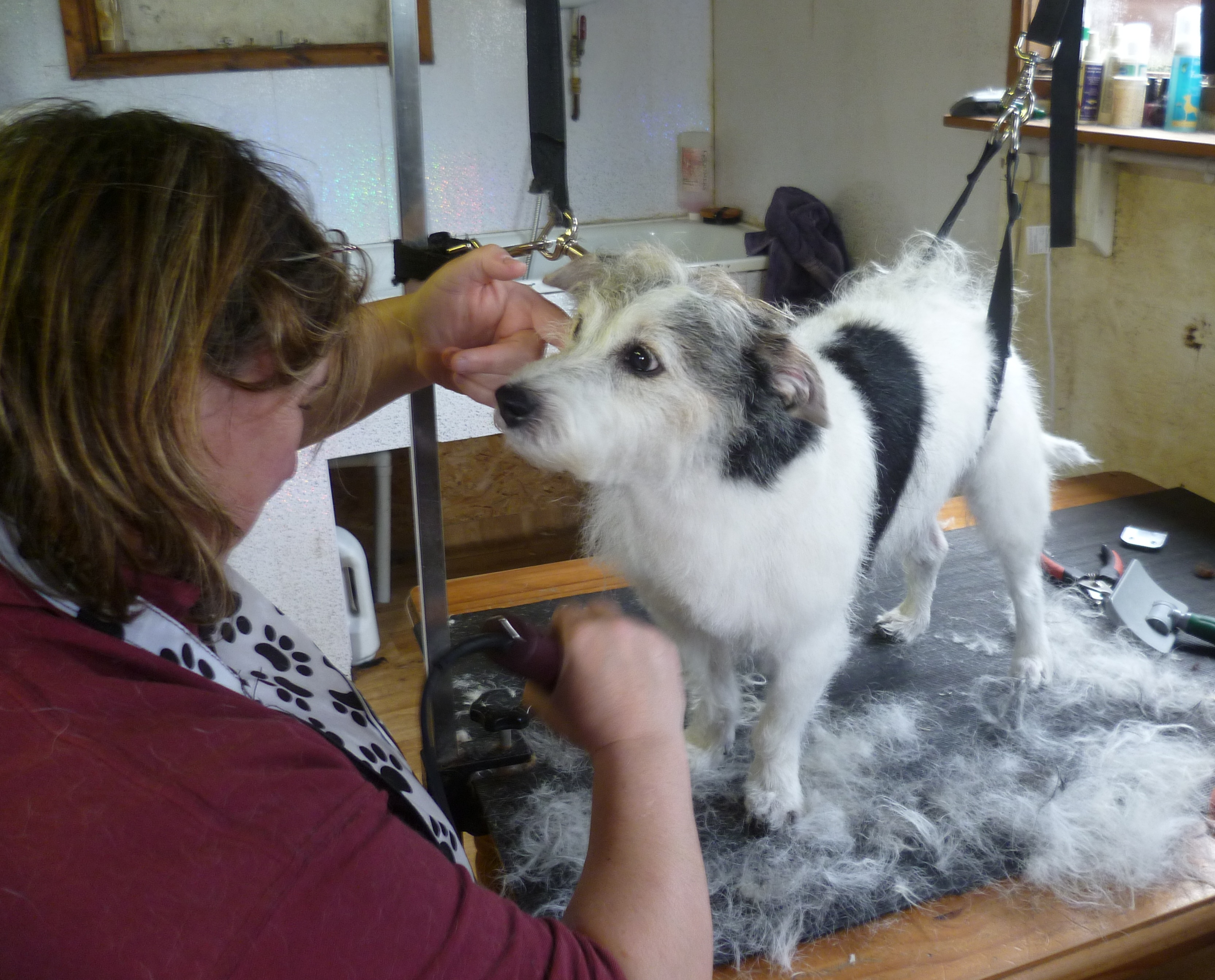 Jean was very fond of Sparky, and would always welcome him as a member of the family, a family that included almost everyone she had ever met, human or animal. She would probably have been surprised to see Sparky shorn of his shagginess last week; he certainly was.
In that natural world that we shared, spring unfolds at pace. While the spring air is still very cold, at least the sun is warmer now. It shines on a world that is increasingly mystifying to me; but my memories help to keep things in a precarious perspective.
So goodbye, Jean, and thank you for your friendship for more than sixty years. Safe in your faith, you will have been confident of where you were going next: to be welcomed into the same arms as the fallen sparrows.
[Scroll down for earlier views or go back to the top of the page]
The first three volumes of 'Views from the Hills', each with additional text and photographs, are now available from Amazon. Please see my home page for details.
Volume 4 (2014 and 2015 combined) will be available as an e-book and paperback soon.
OF A CERTAIN AGE
Wednesday, 13 April 2016
But we are now three weeks into a spring that, so far, has shown promise. Leaves and flowers are venturing out of their buds (they need no Cray computer to forecast the weather) and insects and spiders are becoming more evident. Even a large false widow spider had rather taken up residence in a window casement and had to be dealt with; I find all wildlife fascinating, but some of I cannot tolerate in the house. I saw the first bumble bee two days before the equinox, always a more welcome sight, even though my rational self knows (from experience) that its sting would be far more painful than a bite from any home-grown spider.
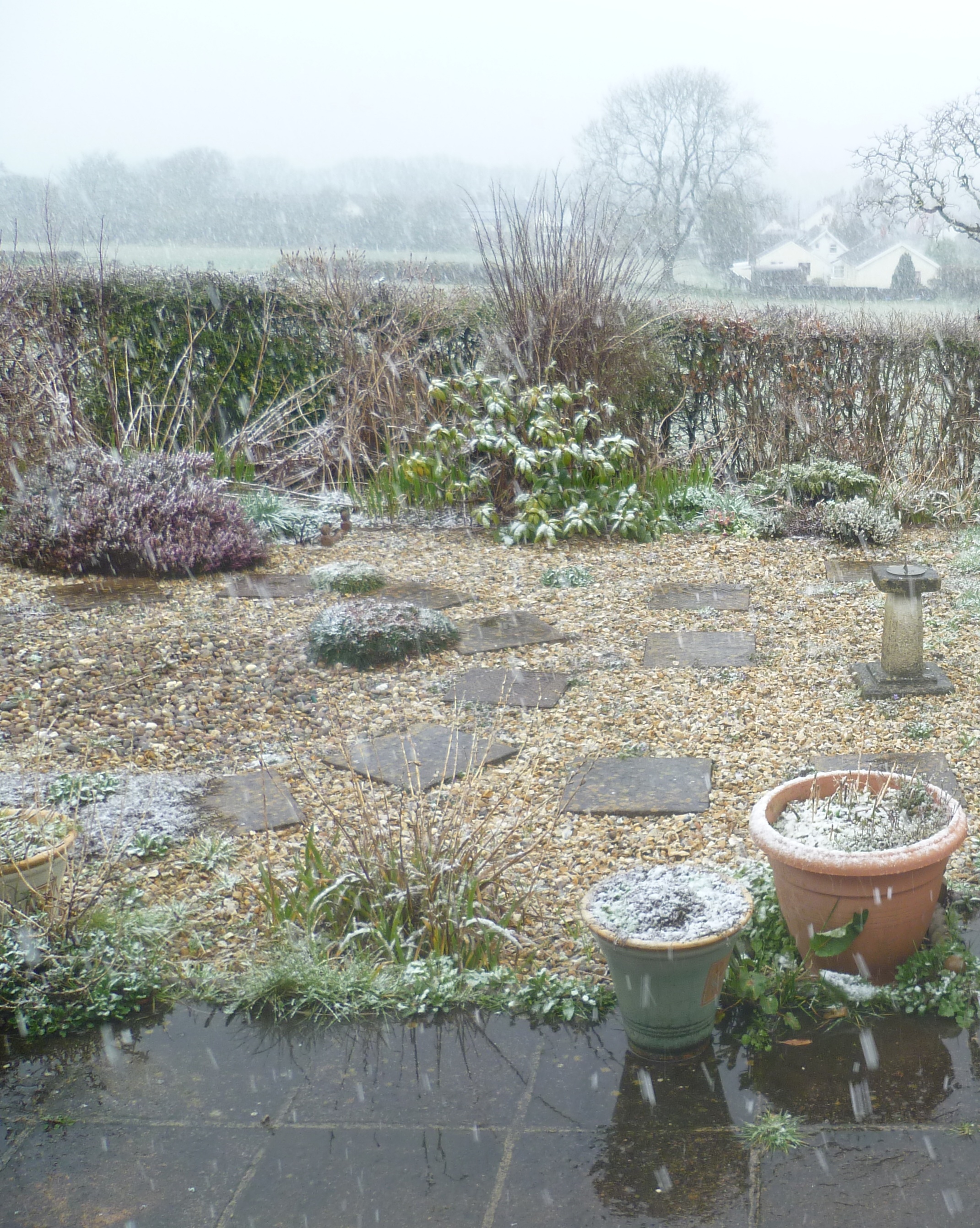 The birds, many of which are partial to spiders, are busy thinking about the next generation, but still take some time out to chip away at the last of the peanuts (there were two goldfinches this morning) before the feeders go away until the autumn so we can have the use of the garden table again. It is still too cold at the moment to sit out, but that time will come soon, I am sure. Not yet, though: three days ago we had a strange and rather exciting snowstorm that lasted only 15 minutes.
On the other side of the coin a friend over the hill saw a swallow a week ago, and I will soon be scanning the skies for signs of the house martins' return. The other day two ducks hurtled overhead in the usual mad, frantic way they do, and the kites seem to climb higher with every passing day.
Of mammals I have seen nor heard nothing; just the sheep or cows in the fields and a Jack Russell terrier who is delighted he can sunbathe once again, albeit only in the porch as yet. We have not seen a hedgehog in a year, nor a rabbit or fox. There have been no scratching sounds from the loft, so I have not needed the clever little humane mouse trap that I have used in the past.
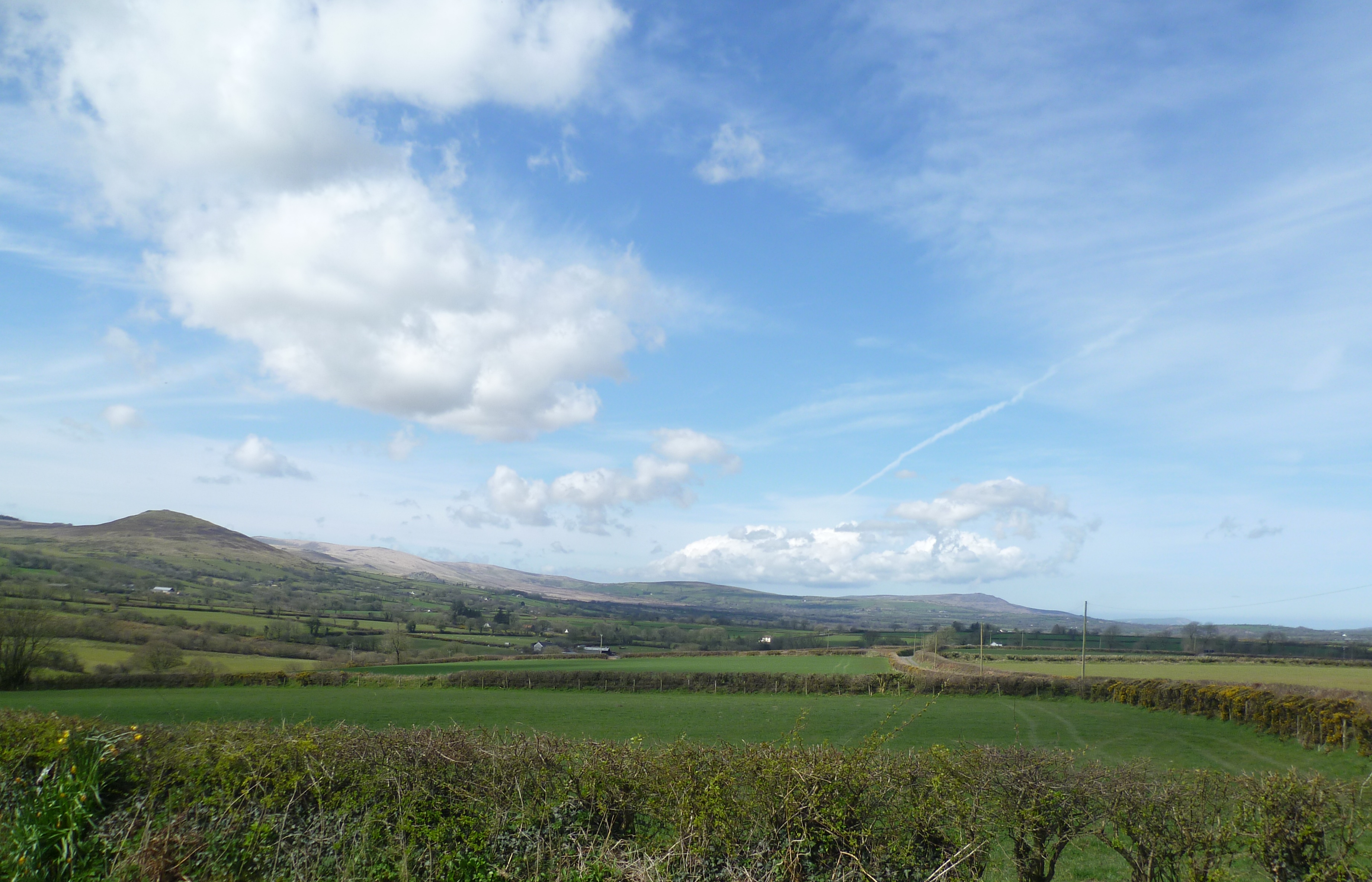 The equinox brings the sunsets back into view, and there have already been some spectacular examples. The air was so clear today that I was able to take a reasonable photograph of the western Preselis, and later I waited eagerly for the sun to go down, and watch it casting its pink light across the sky like a child's painting.
The rainstorms are few and far between now, and not nearly so heavy, so I feel more confident of venturing out in the leaky Saab that has done us such a good service all these years. While she has seen several other, lesser, cars come and go, she is currently our only vehicle; dear old Rosie will be 30 next year, and probably wondering whether she will ever retire. Even if we do get a newer vehicle (no computer, please!), I don't think we could bear to part with her now.
In computer years, my trusty 2009 iMac is probably just as old, relatively speaking, and I have been wondering whether I should either upgrade the operating system to the latest version, which will have its downsides, or do nothing, fix what breaks, and hope for the best.
If that philosophy works for the computer, and the car come to that, perhaps that's the best option for we humans, too?
[Scroll down for earlier views or go back to the top of the page]
The first three volumes of 'Views from the Hills', each with additional text and photographs, are now available from Amazon. Please see my home page for details.
Volume 4 (2014 and 2015 combined) will be available as an e-book and paperback soon.
WINTRY MUSINGS
Saturday, 27 February 2016
If all that sounds a little cynical it is only because leaving the house at 6.30 am (I didn't know there was such a time) and driving 65 miles, some of it through torrential rain, for an appointment at 8 am that was promptly postponed until 11 am, making a total of seven and a half hours away from home for one small but long-awaited procedure, takes it out of you.
Just a little.
For several days afterwards.
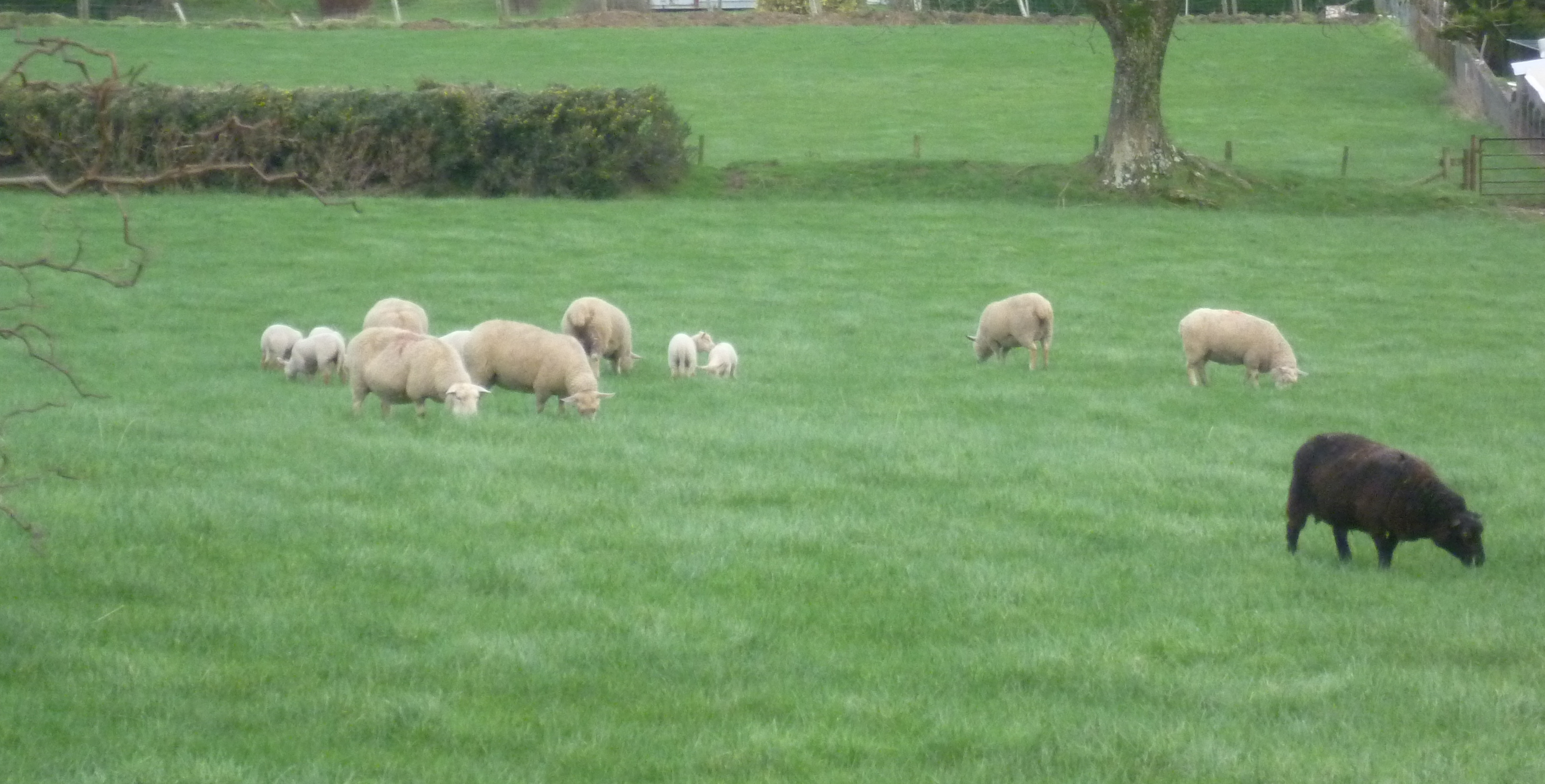
It hasn't been much of a winter - no snow, very few frosts (not that I'm up early enough to see those) and very little of that pale winter sunshine that affords a brief glimpse of sheep and lambs in the field and brightens up the lengthening days. Just wave after wave of rain driven by gales, severe gales and even the odd storm. I never paid much attention to the Beaufort scale before, but the almost-continuous bad weather since some time in October has made me as interested in the speed of the wind as I used to be in small, brown and unidentifiable birds.
There was one particular storm that caught my full attention. I woke to the roaring of the wind several times during the night; I got up at eight o'clock to look out of the window, fully expecting the great ash tree to be down, and along with it our fences, the rickety shed and possibly even the oil tank. I switched on the computer fully expecting the power to be down. But I was wrong: apart from the roaring, everything was normal - the ash was swaying rhythmically to the wind; the cloud, though brushing the top of the hill to the north, was withholding its moisture content. Before long the sun was breaking through for a brief visitation. We may be inconvenienced, but Nature takes it all in her stride.
And this is what we came to expect, any day, nearly every day, for many weeks. The weather was the dominant force in our lives for some months. Until this week there were fewer than five completely dry days since mid-October; most of the rain was driven in sheets across the valley before strong winds; even the hardiest of the sheep sheltered under the banks; on some days small birds were barely able to cross the six feet between the hedge and the feeders.
But now, what a delight to see the coal tits every day, flitting with their blue and great cousins between the shrubs and the feeders, never sure whether to go for peanuts, sunflower seeds or brioche - yes, our birds eat well these days: nothing beyond its "use by" date, unless it's actually mouldy, goes to waste. And if they can eat it before the next rainstorm turns it to mush, so mush the better.
The bird table is the first port of call for Sparky of a morning to see if anything has bounced off on to the paving and not yet been picked up by the sparrows. The starlings are always the first to try a new food, sitting on the top rung and telling the world of starlings in their bells and whistles that lunch is ready, but you'll have to fight me for it. The beautiful magpies, surprisingly cautious for their size, effect an occasional, frantic raid. They, of course, will make a meal of some of the nestlings the food is intended to succour, but that's wildlife for you.
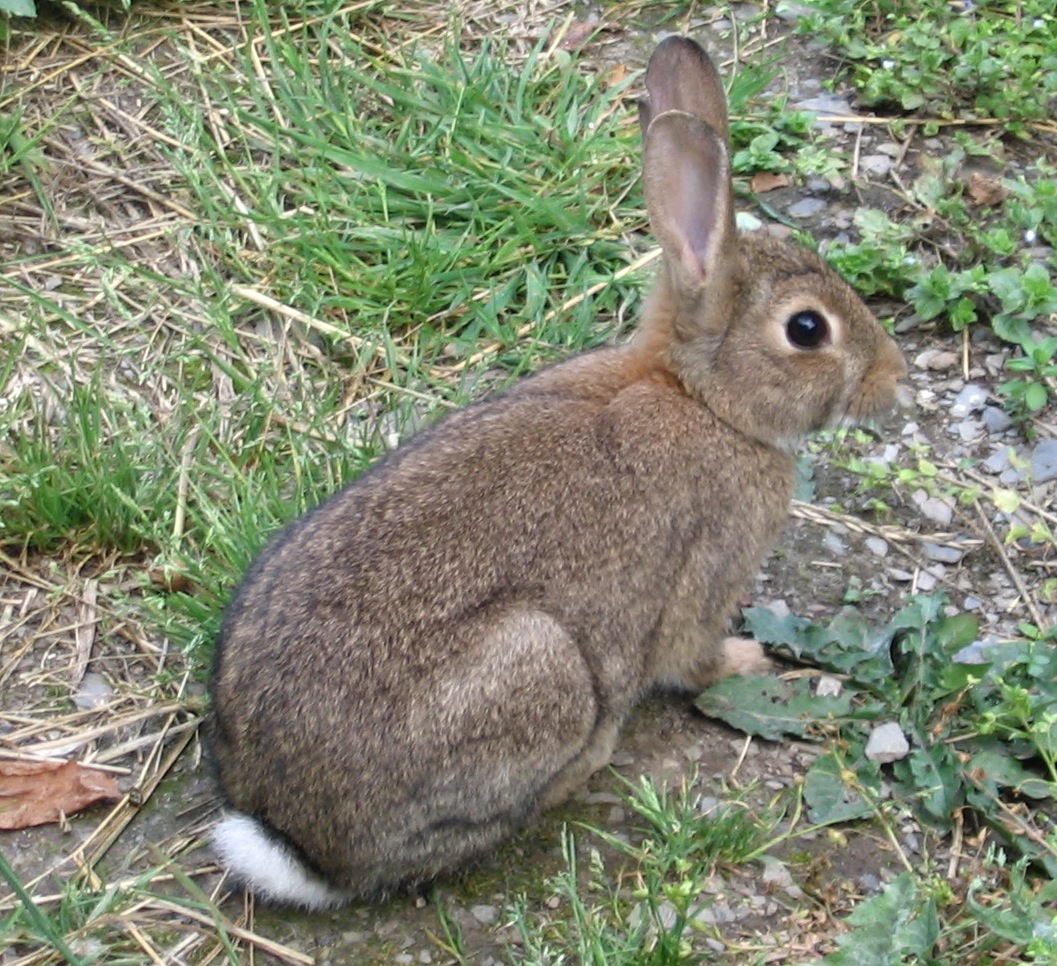 One thing that has puzzled me is that I have only seen two rabbits in the five years we have been here, one a baby in the garden and another two fields away. I had one for a companion in the garden when we lived down the road about ten years ago, but since then, nothing. There are always plenty up on Y Frenni, with only the fox and an occasional short-sighted Jack Russell to look out for.
The season is changing, though. A splash of yellow on the gorse and purple on the heather; snowdrops appearing everywhere; expanding buds on the rhododendron and hawthorn. The longer days bring a promise of spring, now less than a month away. And we have had three - yes, three - sunny days this week.
There was even a bee sitting on the gate, torpid with cold, but alive.
So really, little to complain about after all, with so much to see and to enjoy. Even the bad weather.
[Scroll down for earlier views or go back to the top of the page]
The first three volumes of 'Views from the Hills', each with additional text and photographs, are now available from Amazon. Please see my home page for details.
Volume 4 (2014 and 2015 combined) will be available as an e-book and paperback soon.
NEW YEAR
Thursday, 7 January 2016
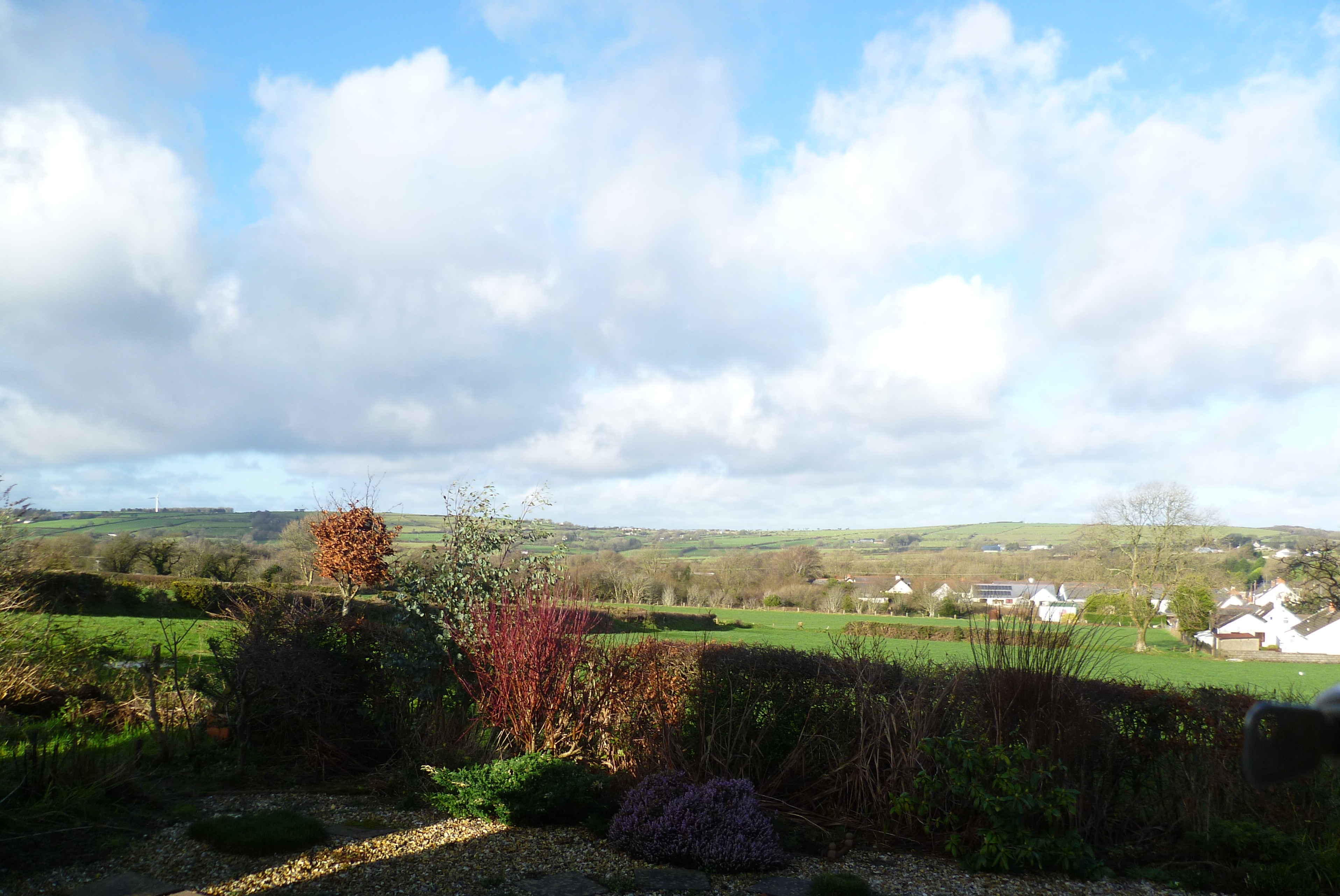
In celebration of seeing the sun shine on three consecutive days I am starting this year's Views early. We have had more than 60 days where it has rained for all or part of each day, often accompanied by high winds. Today we are even promised a rain-free day, though I will not believe that until midnight tonight.
The change in the weather, with a considerable drop in temperature, has surprised the wildlife, with no sign of the small birds, and just a few starlings waiting in the blackthorn for me to refill the feeders. A wren scolds some unknown infringement of bird etiquette in the hedge, and the robin is more earnest in his territorial defence. Even the ginger cat ventured out yesterday to satisfy his perpetual hunger for breakfast of collared dove.
The hills, with their brightly-illuminated farm buildings and cottages, look greener than usual, and the sky rumbles with the sound of RAF Hawks who have come out to play in the mountains; two passed nearby earlier, the sun glinting brightly on their red plumage as they banked steeply between the hills. We see few enough aircraft to be able to enjoy their occasional visits; most are five miles up, packed with people on their way to sunnier climes. On a day like today I have not the slightest urge to join them.
What a difference a little sunshine makes, not just to the countryside, but to we humans who have resignedly tolerated a very poor autumn. Even bad news can be seen in a more positive perspective when sunlight brightens the scene through every window. I might even buy a lottery ticket this week.
Rarely seen before midday, the greater-spotted terrier has been out three times already this morning, bouncing around the garden and almost forgetting why he went out in the first place. Suddenly the mounting outdoor chores do not seem so daunting and shopping might even be a pleasure. Carl the Windows can catch up with his work at last, and Clive the Fish can do his rounds without being soaked every time he climbs out of his van; I can already taste the kippers.
Let us hope there will be many more days like this in 2016.
Now, where did I put those sunglasses?
[Scroll down for earlier views or go back to the top of the page]
The first three volumes of 'Views from the hills', with additional text and photographs, are now available from Amazon.
In UK: Vol.1, 2011 or Vol.2, 2012 or Vol.3, 2013.
In OTHER COUNTRIES, please click on a flag on my home page.
Volume 4 (2014 and 2015 combined) will be available as books soon.
Words and pictures © Tony Holkham 2011-2014
PUBLISHERS & EDITORS
Words and pictures © Tony Holkham 2011-2014. You are welcome to use any piece on this page as a filler provided you contact me first to discuss payment (if any - I am often willing to grant permission to print an article in exchange for a small, free advertisement for my services). I can provide the original high-resolution photographs.
All my books are available from Amazon here or see my home page for individual book details.